

Okay, so check this out—if you’ve ever felt sweaty handing a seed phrase to a stranger, you’re not alone. My instinct said “store it cold,” and that gut feeling turned out to be right more often than not. Here’s the thing. Most people hear “hardware wallet” and imagine an impenetrable black box, but reality is messier and more human. I want to walk through what actually matters when you move coins offline and sign transactions without exposing your keys.
Wow! Cold storage isn’t mystical. It is practical and sometimes annoyingly inconvenient. You unplug, you breathe, you remember why you got into crypto in the first place. On one hand it reduces attack surface dramatically; though actually there are trade-offs like physical theft, damage, or simple user error. Initially I thought a hardware wallet solved everything, but then I realized the problem shifts—control becomes responsibility, and responsibility gets heavy.
Really? People still write seeds on napkins. Seriously. That’s the kind of risk that keeps me up for five minutes at night—then I sleep. Most mistakes aren’t elite hacker exploits; they’re sloppy backups, lost backups, or trusting the wrong phone app. Something felt off about the “set it and forget it” mentality that’s common among new users, because the moment you assume someone else handles security, you’ve already compromised it.
Hmm… a quick story from my own stash: I once transferred a modest sum to a hardware wallet and then put the seed in a drawer labeled “receipts.” That was dumb. Very very dumb. I caught it, moved the seed to a fireproof safe, and learned two useful things: paper degrades, and humans forget. So, build redundancy but avoid replicating the same single point of failure across multiple locations.
Why cold storage actually works (and where it fails)
Cold storage works because private keys never touch an internet-connected device. That seems obvious until you realize how often people introduce connectivity through convenience apps or “easy” mobile signing. My first impression was simple: keep the secrets offline. Then I ran a bunch of scenarios and found edge cases—firmware updates, supply-chain tampering, and user behavior—that complicate matters. On one hand a hardware wallet isolates keys; on the other hand the human handling the device can be the weak link. Initially I thought a one-wallet solution was fine, but I now recommend a layered approach: a primary hardware device, a secondary emergency plan, and clear, rehearsed procedures for recovery.
Here’s the practical checklist I use when securing a device: verify device authenticity out of the box, update firmware in a safe environment, generate seeds offline, and never reuse a computer you suspect is compromised. Also—this part bugs me—don’t let an app on your phone become the bridge between cold storage and daily spending unless you fully understand the signing flow. Many people underestimate how signing works. Transaction signing isn’t magic. It is a deterministic cryptographic process where the hardware proves ownership without revealing the private key. The device sees the unsigned transaction, applies the private key, and outputs a signature you broadcast from another machine.
Whoa! That separation is the key. But the devil is in the UX details. If you buy a popular hardware wallet and pair it with desktop software, check that the software verifies transaction details on the device screen, not just on your computer. I’m biased toward hardware that shows the transaction amounts and recipient addresses on the device itself, because that creates an independent verification channel. If the device only approves “blindly,” then you might as well have signed on a laptop—defeating the whole point.
Okay—let’s get tactical without being alarmist. Use an air-gapped computer or a dedicated signing device for really large sums. Create PSBTs (Partially Signed Bitcoin Transactions) or their equivalents in other blockchains when possible, because they let you transfer unsigned data between hot and cold machines safely. Actually, wait—let me rephrase that: if you handle multiple coins, adopt software that supports multisig and PSBT workflows so you can distribute trust across devices. Multisig is a huge step up for security, though it adds complexity and operational overhead.
I’ll be honest—multisig makes operations harder. It also dramatically reduces single-point-of-failure risk. On a personal note, I run a 2-of-3 scheme for some holdings: two hardware devices I control, and one geographically separated backup. That setup isn’t for everyone, but it illustrates a principle—diversify your threat model. (oh, and by the way…) label your devices, document recovery steps, and practice a recovery drill with tiny funds so the procedure isn’t theoretical when panic hits.
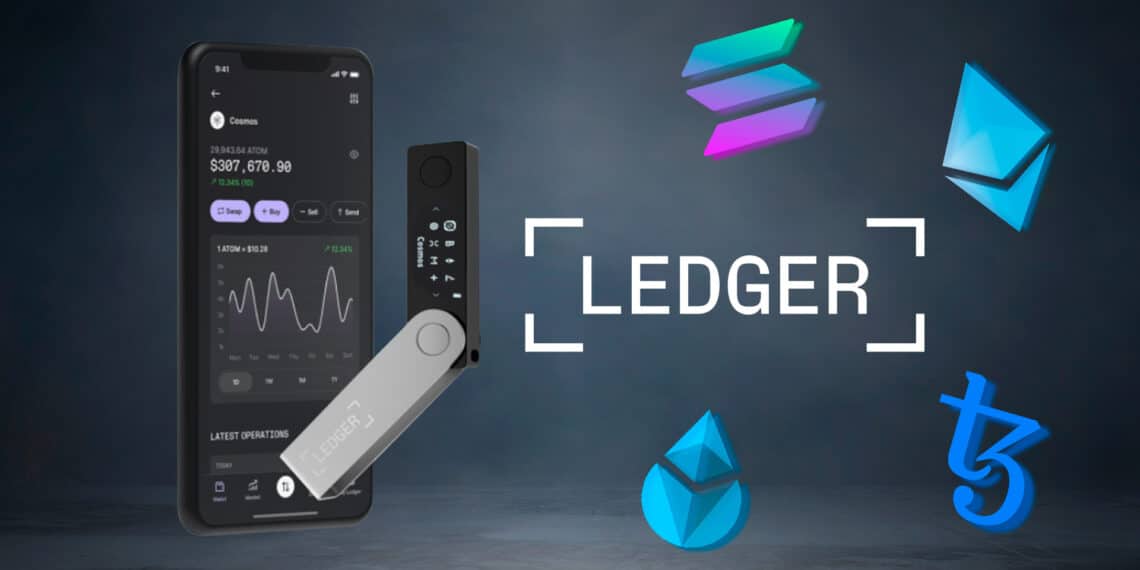
Something to watch: firmware supply-chain attacks. They are rare but real. Verify firmware checksums from manufacturer pages, and use hardware wallets from respected vendors with transparent audit histories. If you want a practical entry point, try reputable desktop integration like ledger and read their guides about initializing and updating devices. But don’t assume brand name equals invincibility—always validate on the device itself.
My instinct keeps returning to UX. Users will always choose convenience when stakes feel abstract, and that’s where secure defaults matter. Hardware wallets should push critical confirmations onto the device, use simple yet robust backup formats (Shamir, BIP39 with caution), and provide clear paths for recovery that aren’t a guessing game. I’m not 100% sure every method is future-proof, but teaching people how to rehearse recovery is practical and under-appreciated.
Practical FAQ
How do I sign a transaction offline without exposing my keys?
Use an air-gapped signing device to create and sign transactions locally, export the signed transaction via QR or USB to an online machine, then broadcast it. Verify all transaction details on the hardware wallet screen before signing. PSBT workflows help for Bitcoin and some other chains because they allow staged signing across devices.
What if my hardware wallet is lost or destroyed?
Assuming you have a correctly stored seed or backup, you can recover on a new device. That’s why secure, redundant backups stored in physically separate locations are essential. Consider multisig as an additional safeguard against single-device failure, especially for larger holdings.
Recent Comments