

Okay, so check this out—I’ve been messing with Solana wallets for years, and Phantom keeps coming up as the easiest way to interact with most dApps on Solana. Seriously. It’s slick, fast, and the UX feels like something a consumer product team actually used themselves. My instinct said “meh” at first, but after using it daily for trades, NFTs, and simple dev testing, I changed my mind.
Quick gut: Phantom feels polished without being flashy. It handles keys locally, connects to popular marketplaces, and has just enough power-user features to keep you from feeling boxed in. That said, there are trade-offs. Some parts of the experience could be clearer, and scams are everywhere—so be sharp. If you want to try it, get the official phantom wallet download extension and avoid random links. Oh, and backup your seed phrase. For real.
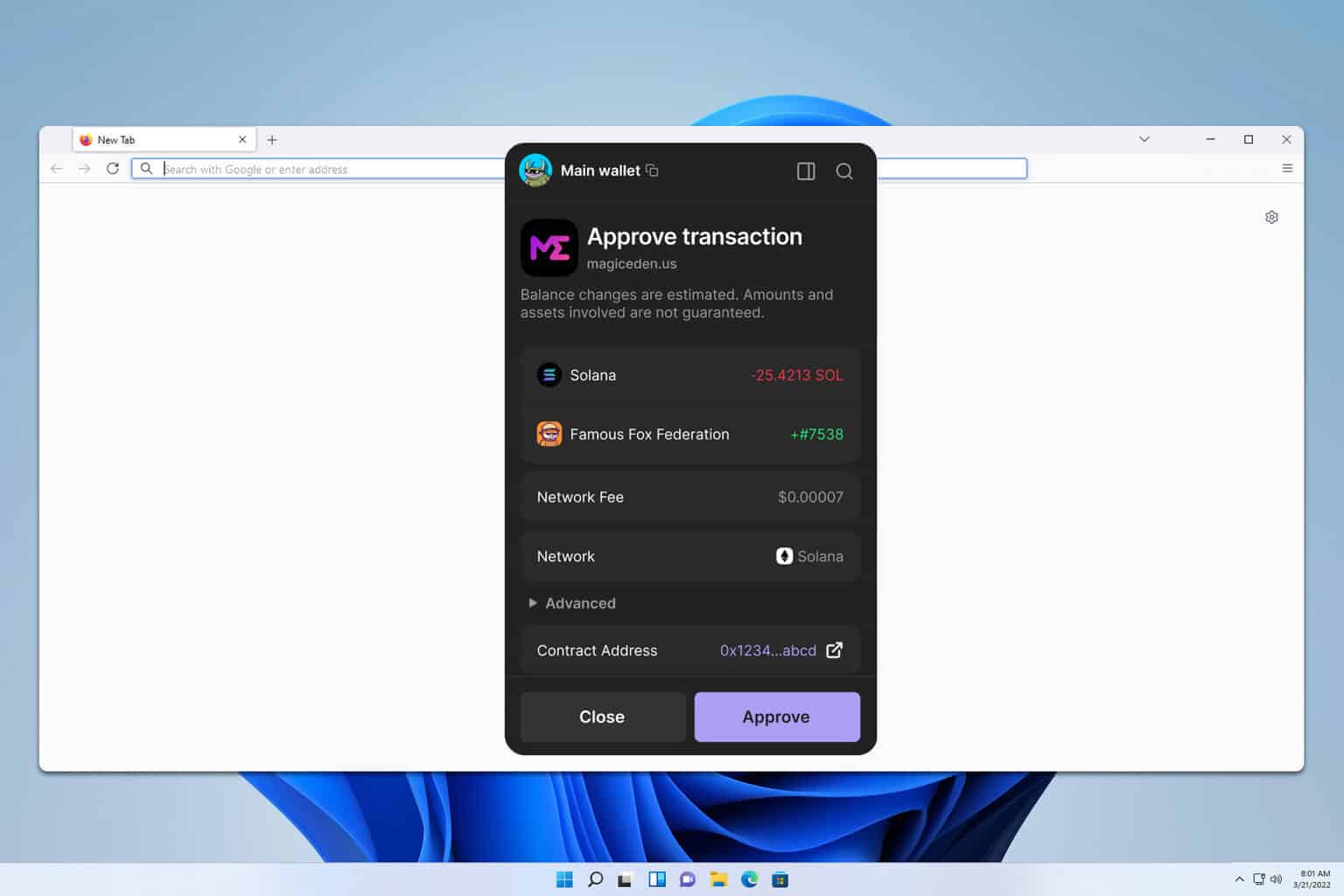
First impressions and why it stands out
When you install Phantom, the first thing you’ll notice is how clean the UI is. Short learning curve. Nice animations. Little helpful copy here and there. It just works. On the other hand, some features are hidden behind menus and you might click around a bit to find them—annoying but not a dealbreaker.
Phantom keeps private keys in your browser’s secure storage and encrypts them with your password. That means your keys never leave your machine unless you explicitly export them. Sounds good. Still—be careful with browser profiles, shared computers, and suspicious extensions. My advice: use a dedicated browser profile for crypto activity. I’m biased, but it’s saved me headaches.
How to install Phantom safely (step-by-step)
Alright, here’s a practical walk-through that I actually use. Short version first: get the official extension link, install it, create or import a wallet, write down the seed phrase, and lock your browser when stepping away. The longer version follows.
1) Verify source. Always start from a trusted link. Use the official extension store for your browser or the project’s site. Phony clones are common. If you’re unsure, double-check via reputable community channels.
2) Install and pin. Add the extension and pin it to your toolbar for easy access. Then open it and create a new wallet or choose “Import” if you already have a seed phrase.
3) Seed phrase backup. Write the seed phrase down on paper. Multiple copies in separate safe locations is fine. Do not store it unencrypted on cloud services. Seriously—don’t.
4) Password and auto-lock. Set a strong password and configure auto-lock so your wallet locks after short idle periods. Small step, big protection.
5) Confirm and test. Send a tiny amount of SOL to your new address to confirm everything is working. If something feels off, pause and re-evaluate before sending more funds.
Key features that matter
Phantom isn’t just a key manager. It’s a bridge into the Solana ecosystem.
– Token swaps: Built-in swaps with decent rates for many pairs. Not always the cheapest, but convenient.
– NFTs: Browse collections, view metadata, and list NFTs on supported marketplaces. The UI for NFTs is actually one of the nicer parts.
– dApp integration: One-click connects for marketplaces, games, and DeFi apps. Most Solana apps rely on Phantom and it just meshes.
– Hardware wallet support: If you’re serious about security, Phantom supports Ledger—use that.
Security: the real talk
Okay—here’s what bugs me about wallets in general: users often treat them like banks rather than keys. Different thing. Phantom does a good job on the tech side, but social engineering is the real threat.
– Never paste your seed phrase into any webpage. That’s a red flag 99% of the time.
– Beware of fake pop-ups asking to connect and sign transactions. Pause. Read the transaction details. If it asks to transfer tokens you didn’t authorize, reject it.
– Keep your browser and extension updated. Phantom pushes updates, and those patch security issues.
Troubleshooting common issues
Sometimes extensions misbehave. Here are a few fast fixes that usually work:
– Can’t connect to a dApp? Try toggling the network between Mainnet Beta and Devnet to see if it’s a network mismatch. Then reload the page and re-connect.
– Extension missing after an update? Re-enable it in the browser extensions page and pin it again. If wallets look empty after reinstall, use your seed phrase to restore—it will bring your accounts back, don’t panic.
– Phantom claiming low balance incorrectly? Check the network and RPC provider. Occasionally a node lag or outage causes stale balance info; switching RPC endpoints can help.
Privacy and data handling
Phantom collects limited analytics to improve the product, but private keys stay local. Still, on-chain data is public—your addresses and transactions are visible. For better privacy, consider using new addresses for different activities, or integrating a hardware wallet for higher-value transactions.
FAQ
Is Phantom safe for beginners?
Yes—it’s user-friendly and has sensible defaults. Beginners should still learn about seed phrase security and phishing. Start with tiny amounts until you’re comfortable.
Can I recover my wallet if I lose my device?
Yes. Use your seed phrase to restore the wallet on a new device. If you lose the seed phrase and password, recovery is impossible. That’s how self-custody works—no central reset button.
Does Phantom support hardware wallets?
Yes—Phantom supports Ledger for added security. Combine them: store most funds in cold storage and use Phantom+Ledger for day-to-day interactions.
Recent Comments